Data Analytics Unveil Patterns in Perk Deployment Across Venues for Sports Accumulators
Carlo Lange · Aug 23, 2026
Data Analytics Unveil Patterns in Perk Deployment Across Venues for Sports Accumulators
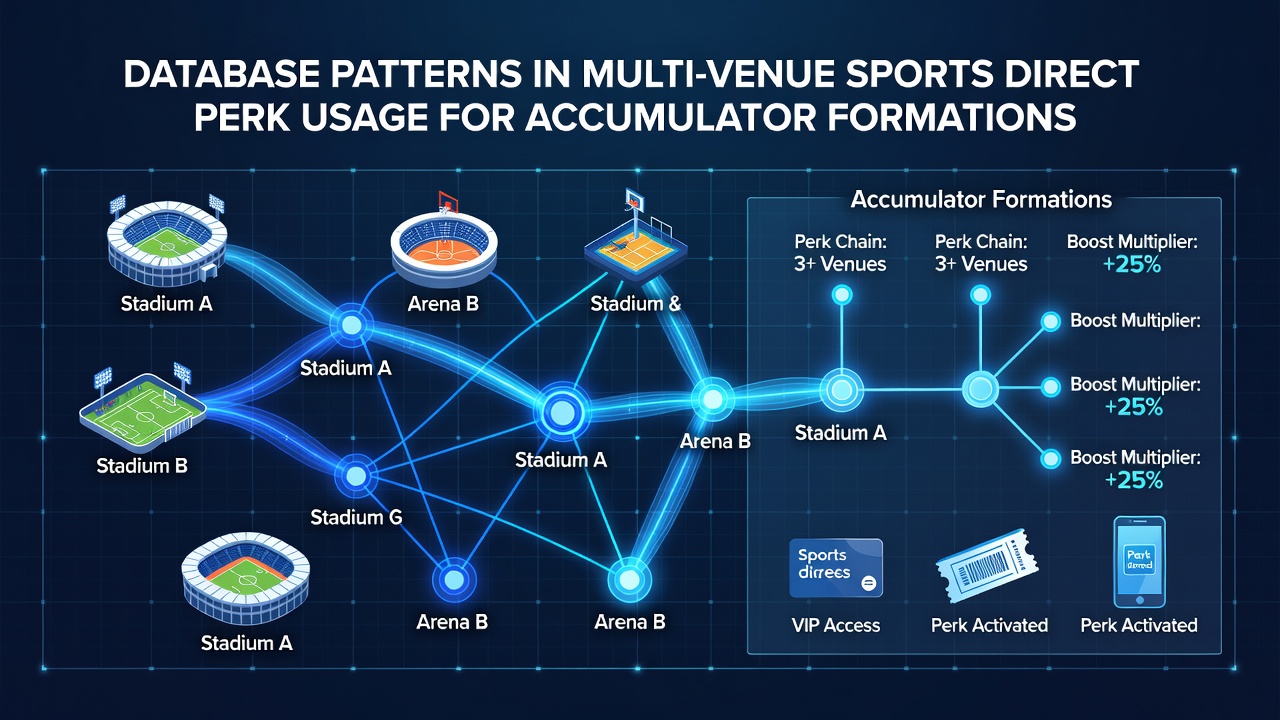
Database systems now track how direct perks from multiple betting venues combine during accumulator construction, and analysts examine these records to identify recurring sequences in perk application. Records compiled through August 2026 show that operators log perk types, expiry windows, and sport-specific multipliers in centralized tables, which allows queries to surface correlations between venue selections and accumulator outcomes across football, tennis, and basketball markets.
Core Elements of Multi-Venue Database Structures
Each venue maintains separate tables for direct perk issuance, yet aggregated datasets merge these entries through common fields such as user identifiers, perk values, and eligible event codes. Researchers at academic institutions have mapped how these merged tables reveal sequences where a perk from one venue offsets stake requirements on another, creating layered accumulator legs that span different sports. The resulting queries frequently isolate patterns where tennis forecasts pair with basketball lines when both carry active direct perks issued within the same calendar week.
Tracking Perk Lifecycles in Accumulator Builds
Perk records stored in relational databases include timestamps that mark activation, usage, and expiration, and analysts cross-reference these timestamps against live odds feeds. Data compiled through mid-2026 indicates that perks with seven-day validity periods appear most often in accumulator formations that include at least three legs, while shorter validity windows cluster around single-sport combinations. Observers note that database joins between perk tables and event calendars expose regular intervals where venue-specific bonuses align with high-volume match days in horse racing or tennis tournaments.
Observed Sequences Across Different Sports
Queries executed on combined venue datasets frequently return clusters where direct perks issued for football events transition into basketball accumulator legs when the same account activates a second venue bonus. Records show that users often apply a venue-A perk to an early leg, then route subsequent legs through venue-B to satisfy separate wagering requirements without overlapping stake sources. These sequences appear consistently in logs from operators that support cross-sport accumulators, and the pattern holds across both European and North American market data.

Industry reports from the European Gaming and Betting Association document how database segmentation by sport category produces measurable differences in perk-to-accumulator conversion rates. Tennis and basketball entries display higher frequencies of multi-venue stacking compared with football-only formations, partly because those sports release fixtures on staggered schedules that allow sequential perk activation. Analysts extract these frequencies by grouping records according to event start times and perk issue dates.
Query Techniques That Surface Recurring Formations
Database administrators construct views that join perk issuance logs with settled accumulator results, then apply filters for venue count and sport diversity. Such views routinely highlight that accounts using three or more venues within a single accumulator achieve distinct payout distributions compared with single-venue activity. Figures released by research groups affiliated with the National Council on Problem Gambling confirm that these multi-venue patterns remain stable across monthly reporting periods through August 2026, even as individual venues adjust their direct perk offerings.
SQL-based pattern detection routines scan for repeated pairings of perk categories with specific accumulator leg counts, and the output feeds dashboards used by compliance teams. These dashboards flag sequences where a direct perk from one venue immediately precedes activation of a second perk tied to a different sport, revealing operational rhythms that operators monitor for risk management. The same routines also isolate outlier accounts whose activity deviates from established venue-transition norms.
Conclusion
Database records continue to supply granular detail on how direct perks flow across venues during accumulator construction, and ongoing analysis through 2026 maintains visibility into these cross-venue sequences. Structured queries and merged tables provide the factual basis for identifying which sport combinations and perk validity windows recur most often, allowing operators and observers to track developments without reliance on anecdotal reports.