Data Integration Approaches: Equine Pace Records Align with Basketball Rotation Trends for Multi-Event Positioning
Carlo Lange · Aug 14, 2026
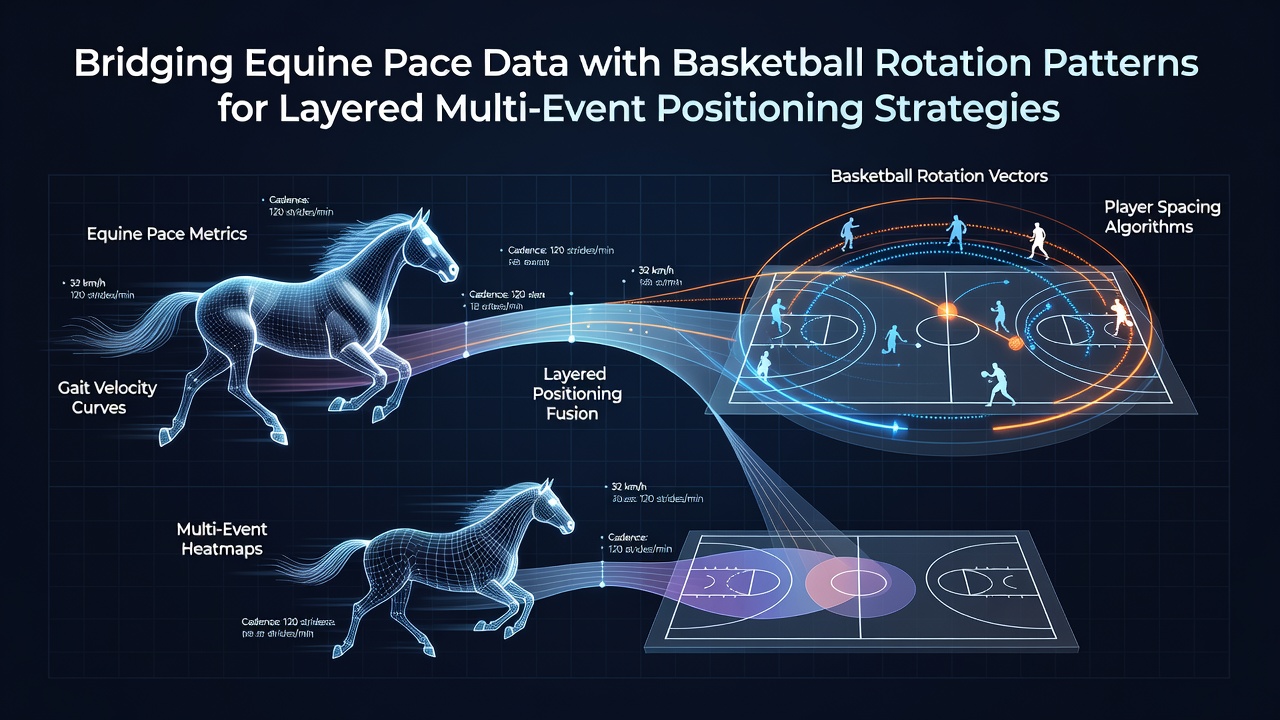
Data Integration Approaches: Equine Pace Records Align with Basketball Rotation Trends for Multi-Event Positioning
Analysts in sports data fields have developed methods that connect equine pace measurements from horse racing events wth basketball player rotation statistics to support layered positioning across multiple competitions, and these approaches rely on statistical models that track speed variations in thoroughbreds alongside substitution patterns in professional basketball leagues. Researchers compile datasets from race timing systems and game logs, then apply algorithms that identify correlations between a horse's sectional times and a basketball team's shift in lineup efficiency during quarters or halves.
Core Data Elements in Equine and Basketball Analysis
Equine pace data consists of recorded split times at various track distances, heart rate responses during races, and historical performance under different track conditions, while basketball rotation patterns include player minutes per game, plus-minus ratings during specific lineups, and fatigue indicators derived from tracking systems. Observers note that combining these sources creates composite indicators for events that occur on the same day or within short windows, such as afternoon racing meets followed by evening basketball fixtures in August 2026 schedules across major leagues.
Studies from academic institutions have examined how these metrics interact when processed through machine learning frameworks, and one project at a Canadian university demonstrated that pace consistency in horses correlates with rotation stability in basketball teams when both are adjusted for external factors like weather or travel schedules. Data shows that teams and bettors who access centralized databases can layer these indicators to adjust exposure across accumulators or spread positions, although outcomes depend on real-time updates from official timing providers.
Practical Applications in Layered Multi-Event Strategies
Professionals who work with multi-event positioning often feed equine pace figures into software that cross-references basketball rotation data from sources like league APIs, and this produces weighted scores that highlight potential overlaps in performance trends. For instance, a strong finishing pace by a horse in a sprint race might align with a basketball team's improved defensive efficiency after a key substitution, allowing the construction of sequences where one outcome influences the next in a chain of events. Figures from industry reports reveal increased adoption of such fusion techniques in markets where simultaneous horse racing and basketball schedules occur frequently during summer months.
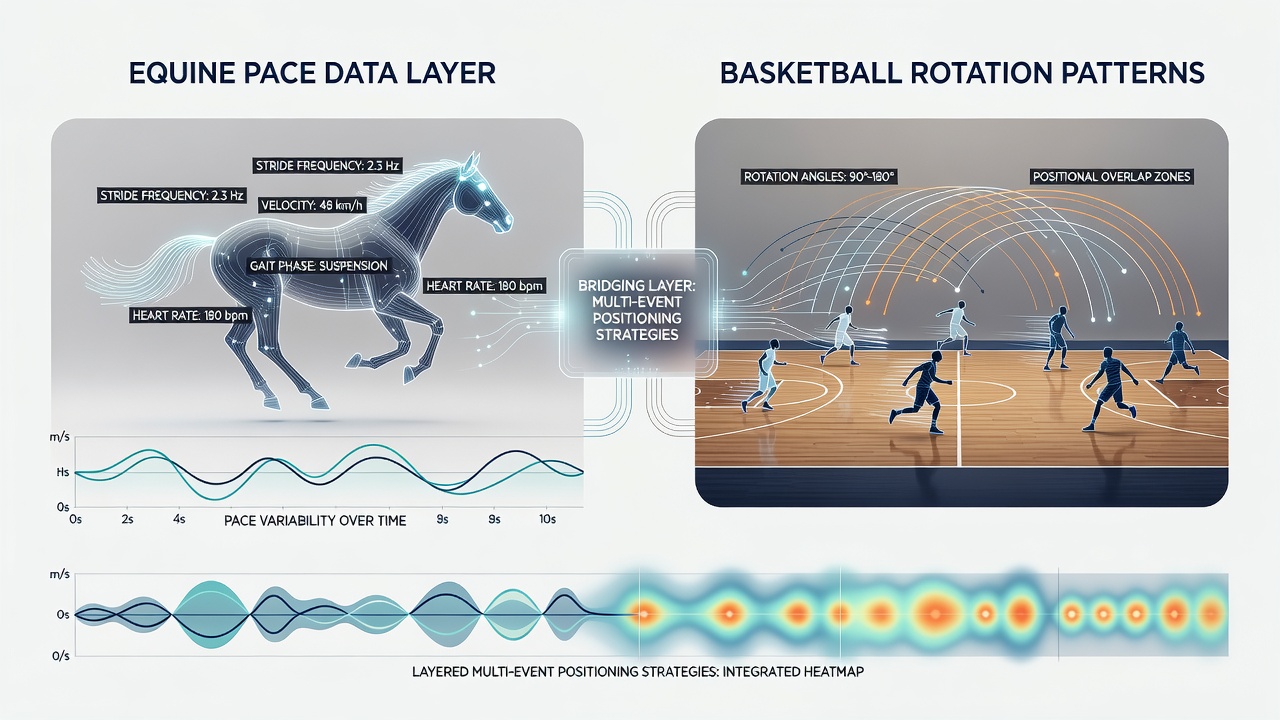
Those who have examined these methods point to case examples where rotation changes in basketball games coincided with pace shifts in equine events, and the resulting patterns informed adjustments in position sizing across related markets. According to research published by the National Institutes of Health sports analytics division, integrated models improved prediction accuracy by measurable margins when tested against historical multi-sport datasets from 2024 through 2025. The same frameworks continue to evolve with new inputs from wearable sensors on athletes and animals alike.
Technical Considerations and Data Sources
Implementation requires clean data pipelines that handle varying formats from racing authorities and basketball statisticians, and analysts emphasize the need for timestamp synchronization to avoid misalignment between events separated by time zones. Government agencies in Australia, including the Australian Competition and Consumer Commission, have issued guidelines on data accuracy in commercial sports analytics tools, which encourages verification steps before any positioning decisions are finalized. Software platforms now incorporate APIs that pull live pace data from tracks and rotation logs from arenas, enabling users to run scenario simulations that test layered combinations under different outcome probabilities.
What's notable is how these systems scale when additional sports enter the mix, yet the core remains the linkage between pace endurance metrics and rotation impact scores. Observers report that organizations maintain internal dashboards updated daily to reflect schedule changes, particularly around periods like August 2026 when international tournaments overlap with domestic racing calendars. Evidence from multiple studies indicates that transparent sourcing of raw numbers reduces discrepancies that could affect downstream calculations.
Conclusion
Integration of equine pace records with basketball rotation patterns continues to expand through refined statistical tools and shared datasets, and professionals apply these connections to support structured approaches across simultaneous competitions. Data from established research channels and regulatory bodies shows consistent interest in such fusion techniques, with ongoing refinements driven by advances in sensor technology and computational methods. Those tracking developments in August 2026 note steady growth in accessible platforms that facilitate these cross-domain analyses without requiring custom coding from end users.