Integrating Layered Predictions from Varied Athletic Fields for Balanced Earnings with Member Rewards and Market Alignments
Erik Lehmann · Aug 11, 2026
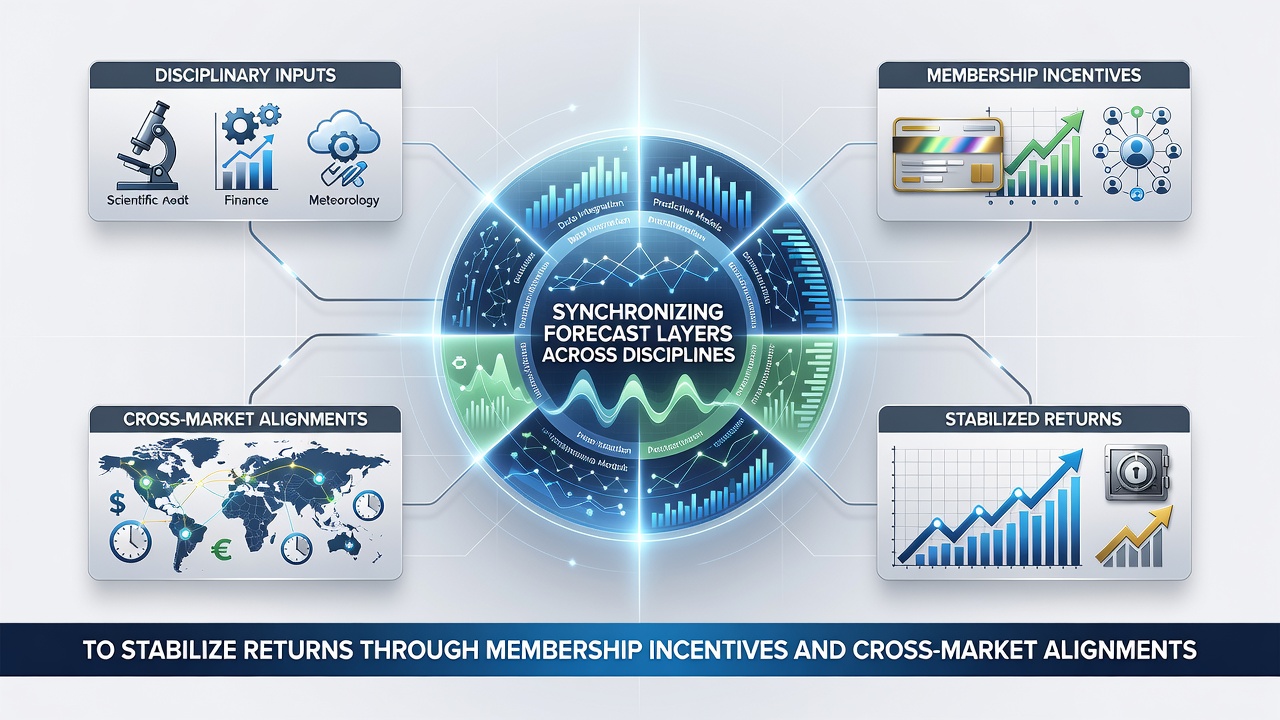
Integrating Layered Predictions from Varied Athletic Fields for Balanced Earnings with Member Rewards and Market Alignments
Analysts in the betting sector have examined how operators coordinate prediction models from horse racing, football, tennis, and basketball to create more consistent outcomes, and data from recent industry reports indicate that such coordination relies on structured membership programs combined with alignments between separate betting markets. Observers note that these programs often provide recurring incentives which participants use to offset variations in individual event forecasts, while cross-market alignments allow adjustments when one discipline experiences higher volatility than another.
Core Mechanisms Behind Layer Coordination
Those who track betting platform operations report that synchronization begins with the collection of daily forecasts from distinct sports, after which operators apply weighting systems that adjust influence based on historical accuracy rates and current market liquidity. Research indicates that platforms active in August 2026 have expanded these systems to include real-time data feeds from multiple jurisdictions, allowing adjustments when regulatory changes affect odds availability in one region but not others. Participants gain access through membership tiers that deliver weekly credits, and these credits function as stabilizers when forecasts from one sport underperform relative to expectations.
Role of Membership Incentives in Return Management
Membership structures typically operate on recurring contribution models where users receive scaled benefits tied to activity levels across chosen markets. Figures from platform analytics reveal that higher-tier members maintain steadier return curves because the incentives offset short-term fluctuations that occur when forecasts from tennis or basketball diverge from horse racing results. Industry organizations such as the Victorian Responsible Gambling Foundation have published summaries showing how incentive layering correlates with reduced variance in user portfolios during periods of uneven market performance. Platforms implement these incentives through automated distribution systems that activate when specific alignment thresholds between markets are met.
Cross-Market Alignment Techniques Observed in 2026
Operators achieve alignment by mapping forecast confidence intervals from one discipline onto liquidity patterns in another, creating offset opportunities when one market shows stronger consensus than its counterpart. Data compiled by academic researchers at institutions studying gambling behavior demonstrate that these mappings reduce exposure during major events when multiple sports run concurrently. Platforms apply algorithmic adjustments that shift emphasis toward the more stable forecast layer while preserving overall exposure levels through membership credits. In practice, this means a strong basketball projection can balance a more variable football outcome without requiring separate hedging steps outside the coordinated system.

Those monitoring platform updates note that August 2026 saw increased adoption of unified dashboards that display synchronized layers in a single interface, enabling users to monitor how membership incentives interact with real-time market shifts. Regulatory bodies in several regions require transparency reports on these systems, and compliance documentation shows that alignment protocols must account for jurisdictional differences in available bet types.
Implementation Patterns Across Platforms
Case examples from multiple operators illustrate that synchronization protocols begin with baseline forecast collection, followed by calibration against live odds movements and liquidity indicators. Membership incentives then serve as the connective tissue that allows users to maintain exposure across layers even when one discipline experiences temporary misalignment. Studies conducted by research centers focused on gambling economics indicate that platforms employing these methods report lower portfolio volatility among active members compared with non-aligned approaches. The process requires continuous recalibration because market conditions evolve daily, yet the underlying structure remains consistent through the use of predefined alignment rules and incentive triggers.
Regulatory and Industry Context
Government agencies outside the UK have issued guidance on coordinated betting products, with the National Council on Problem Gambling in the United States publishing overviews of how incentive programs intersect with multi-market strategies. These documents emphasize disclosure requirements that platforms must meet when offering synchronized forecast tools. Observers report that adherence to such guidelines has become standard among operators seeking to maintain membership programs in multiple jurisdictions simultaneously.
Conclusion
Integration of layered predictions across athletic disciplines continues to evolve through the combined application of membership incentives and cross-market alignments, with platform data from 2026 showing measurable effects on return consistency. The mechanisms rely on systematic weighting, real-time calibration, and incentive distribution rules that adjust according to observed market conditions. As operators refine these approaches, the emphasis remains on maintaining transparency and compliance across regions while delivering coordinated tools that address variance inherent in multi-sport forecasting environments.