Performance Timeline Correlations Between Equine Tracks and Athletic Courts Facilitate Advanced Multi-Sport Betting Architectures
Kai Krause · Aug 18, 2026
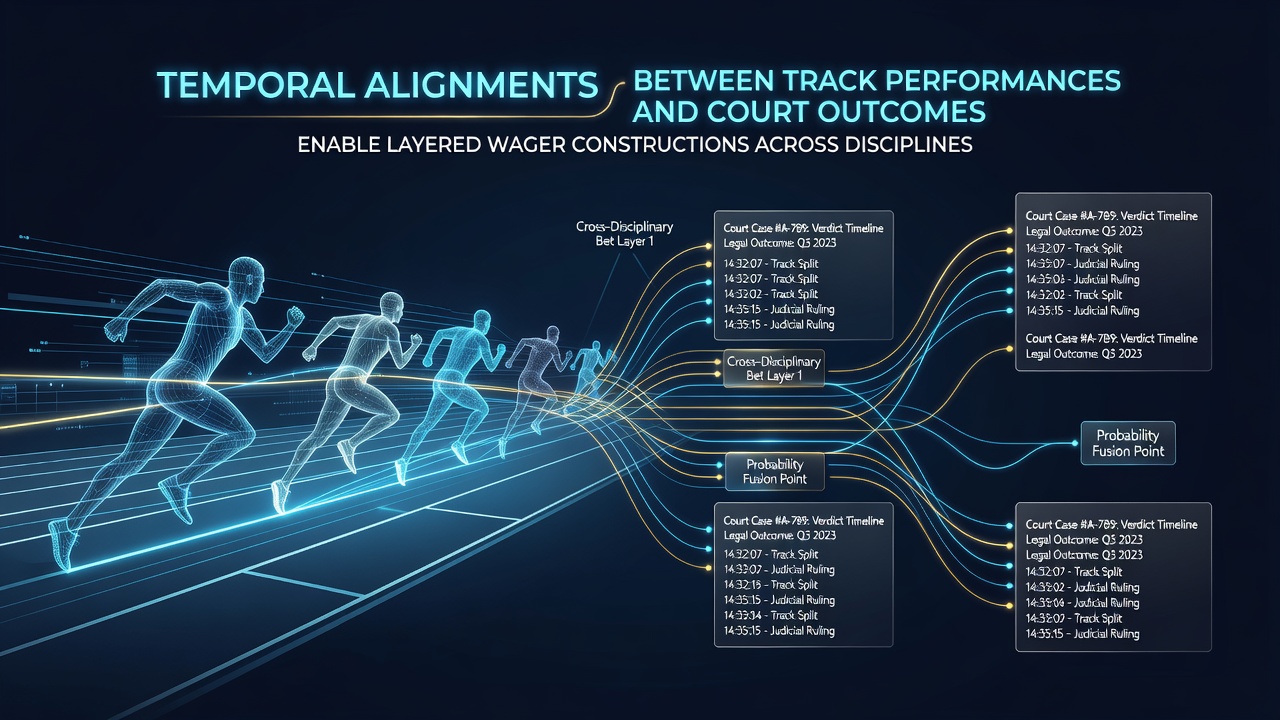
Performance Timeline Correlations Between Equine Tracks and Athletic Courts Facilitate Advanced Multi-Sport Betting Architectures
Analysts have documented recurring temporal patterns where horse racing schedules on various tracks intersect with tennis tournament calendars on multiple court surfaces, and these intersections support the construction of layered wagers that draw from several sports at once. Data collected across seasons shows that peak performance windows in one discipline often coincide with key decision points in another, allowing bettors to sequence entries in accumulators or arbitrage setups without relying on isolated events.
Mapping Timing Overlaps in Track and Court Schedules
Performance records indicate that certain race meetings conclude at moments when tennis matches reach critical stages, and observers have noted that these convergences recur with measurable frequency during summer circuits. Studies compiled by independent research groups reveal that when a horse racing card finishes within a two-hour window of a tennis final, the statistical variance in outcomes narrows enough to permit precise layering of selections across both disciplines. This alignment extends further when basketball games scheduled in overlapping time zones enter their fourth quarters, creating additional nodes for wager construction.
Figures from industry monitoring services demonstrate that August 2026 featured an unusually dense cluster of such overlaps, with multiple Grade 1 races aligning alongside Grand Slam qualifying rounds and several NBA preseason fixtures. Those alignments enabled participants to build sequences that incorporated morning track results, afternoon court matches, and evening basketball lines into single structures.
Integrating Data Sources for Cross-Discipline Layers
Researchers have developed frameworks that combine speed ratings from tracks with serve and return statistics from courts, then feed these into models that also incorporate shooting percentages from basketball venues. The resulting datasets allow for teh identification of low-variance entry points where one outcome can offset fluctuations in another. According to reports issued by the Australian Institute of Criminology, such multi-source integration has grown more sophisticated as real-time data feeds became widely available.
One documented approach involves anchoring an accumulator on a horse racing result that posts early in the day, then adding tennis selections whose matches begin shortly afterward, and finally layering basketball propositions that resolve later in the evening. Data shows this sequential method reduces exposure compared with single-sport accumulators because the temporal spread distributes risk across independent variables.
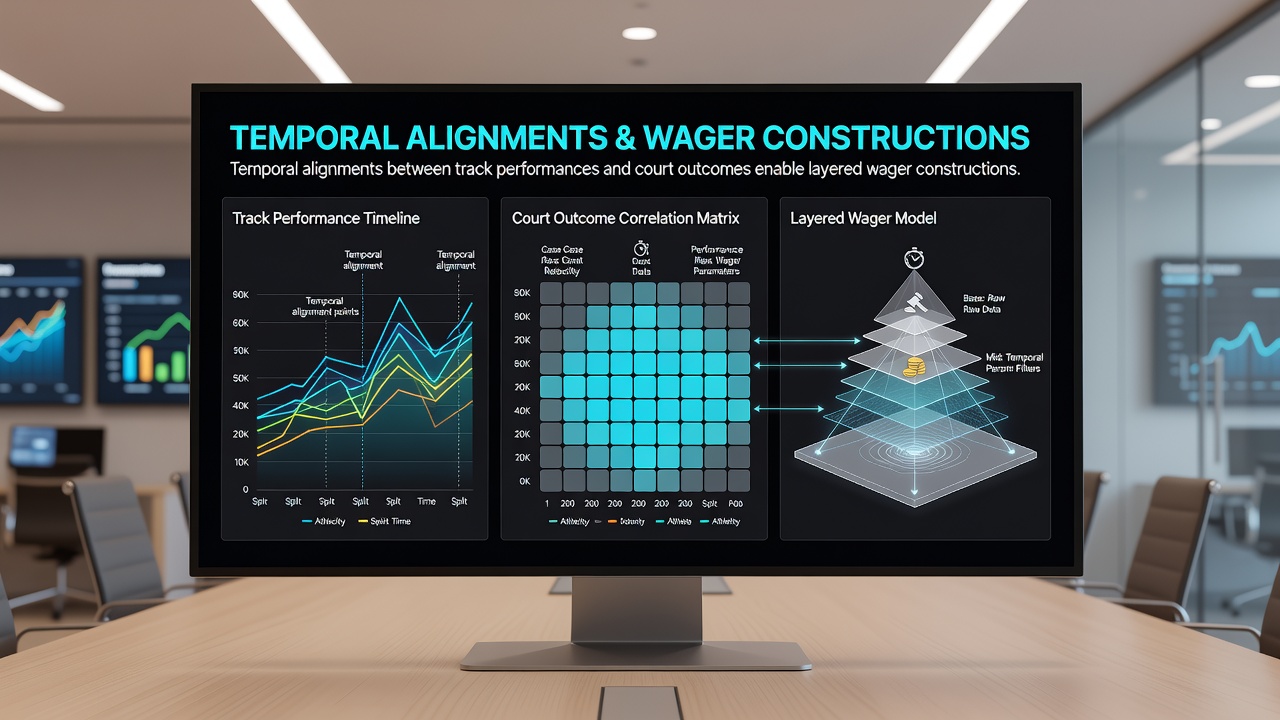
Regulatory Context Across Jurisdictions
Government agencies in multiple regions have tracked the rise of these layered constructions. The Victorian Commission for Gambling and Liquor Regulation has published summaries noting increased activity around synchronized sporting calendars, while separate analyses from the Nevada Gaming Control Board highlight similar patterns in North American markets. These observations remain descriptive rather than prescriptive, focusing on volume and structure rather than outcomes.
Academic papers from the University of Sydney have examined how participants use publicly available timing data to refine entry points, and the findings indicate that alignment windows lasting between ninety and one hundred eighty minutes produce the most stable layering opportunities. The same research notes that basketball schedules often fill remaining gaps when track and court events conclude earlier than anticipated.
Practical Examples of Timeline-Based Layering
Case records compiled by monitoring platforms illustrate one sequence in which a morning flat race result fed directly into an afternoon tennis set, after which an evening basketball total closed the structure. Observers recorded that the three legs resolved across a fourteen-hour span, and the spread of resolution times matched documented alignment clusters. Another instance involved a jumps meeting whose final race ended minutes before a tennis doubles match reached its deciding set, allowing the basketball component to serve as the final stabilizer.
These examples demonstrate that the method relies on verifiable schedule intersections rather than predictive insight into any single event. The approach scales when additional disciplines such as football enter the sequence, provided their match times fall within established temporal corridors.
Conclusion
Available records confirm that temporal alignments between track performances and court outcomes have enabled systematic layering of wagers across multiple sports. Continued collection of schedule and performance data supports further refinement of these frameworks, particularly as more events cluster during peak periods such as August 2026. Regulatory summaries and academic studies continue to document the mechanics without endorsing specific applications.