Track and Court Synergies: Club Frameworks Powering Multi-Event Accumulations
Erik Lehmann · Sep 26, 2026
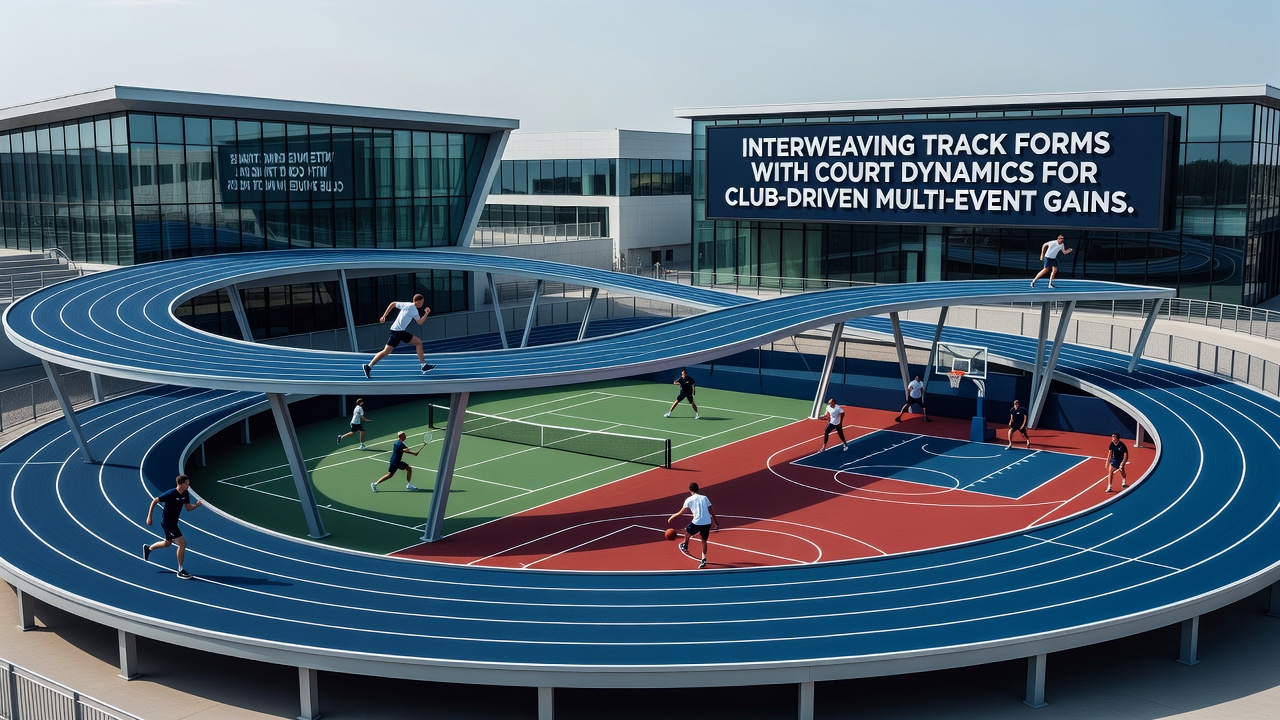
Track and Court Synergies: Club Frameworks Powering Multi-Event Accumulations
Track performance records from equine events combine with statistical patterns observed on tennis and basketball courts when participants structure their approaches through organized clubs that coordinate multiple competitions at once, and data from industry reports shows these combinations often rely on historical form analysis alongside real-time court metrics to shape outcomes across several events simultaneously.
Understanding Track Forms in Context
Equine racing generates extensive datasets on speed, distance, ground conditions, and jockey influences that researchers compile over seasons, while analysts cross-reference these figures with variables such as recent training logs and competitor histories, and in September 2026 updated reporting from the Australian Gambling Research Centre highlighted how such layered information feeds into broader event planning when clubs aggregate selections across different disciplines.
Court Dynamics and Their Role
Tennis matches produce metrics on serve percentages, rally lengths, and surface adaptations, whereas basketball contests yield data on shooting efficiency, defensive positioning, and pace control, and observers note that these elements gain additional layers when integrated with track-based indicators because clubs frequently maintain shared databases that track correlations between the two domains over time.
Club Structures Enabling Integration
Organized groups maintain membership systems that distribute resources for simultaneous participation in horse racing and court sports, which allows members to access pooled analytical tools and coordinated scheduling software, and evidence from European trade associations indicates these frameworks reduce individual overhead while increasing the volume of events any single participant can monitor effectively.
Clubs also compile comparative charts that place track speed figures next to court movement statistics, creating visual overlays that participants review before committing to particular combinations, and this method has expanded in recent years as digital platforms streamline the collection and display of cross-sport information.
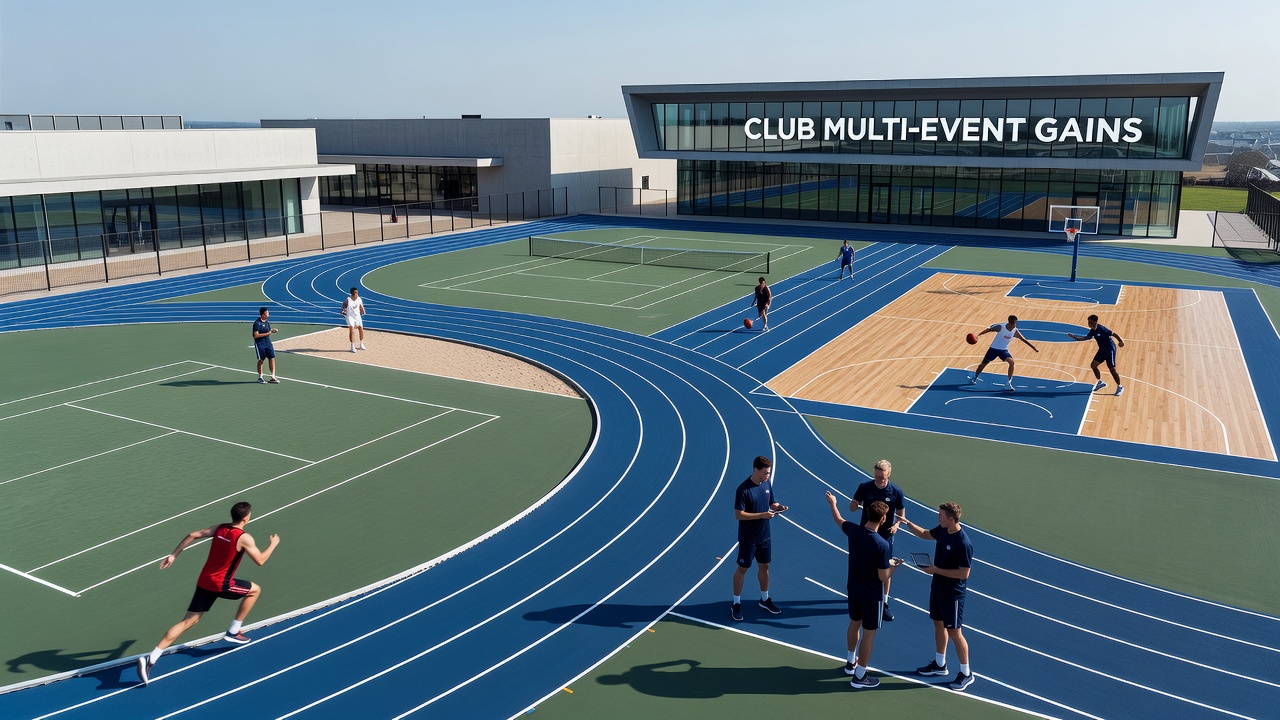
Multi-Event Coordination Practices
Participants who belong to such clubs often align selections from one weekend's racing card with midweek tennis tournaments and basketball fixtures, and the resulting schedules rely on consistent data feeds that update daily, while industry studies from Canadian sources reveal that groups employing shared tracking systems record higher consistency in covering multiple events without schedule conflicts.
Software dashboards within these clubs display live adjustments to form ratings whenever new track conditions emerge or court weather reports arrive, and members receive alerts that prompt review of the entire slate rather than isolated matches or races, which supports the maintenance of balanced portfolios across disciplines.
Data Sources and Analytical Methods
Statistical models draw from official race result archives alongside professional tennis and basketball league databases, and analysts apply regression techniques to identify recurring patterns between track surface preferences and court performance under similar environmental variables, whereas reports issued by the Responsible Gambling Council in Canada document the growing use of these integrated datasets within structured membership environments.
Clubs frequently run internal workshops where members examine case examples of past multi-event sequences, and these sessions focus on how adjustments to one discipline's parameters affect projections in another, creating iterative refinement processes that continue throughout each season.
Conclusion
Integration of track records with court statistics through club-based systems produces structured approaches to handling several events at once, and ongoing data collection from regulatory and research bodies continues to refine the tools available for such coordination as participation grows into 2026 and beyond.